MAGIC-AVALON: a key campaign for validating new atmospheric satellite missions
Background
The MAGIC-AVALON (Aircraft Validation Of New-generation satelLites) campaign builds on the MAGIC (Monitoring of Atmospheric composition and Greenhouse gases through multi-Instruments Campaigns) initiative, which was launched to improve our understanding of greenhouse gases and validate satellite observations of atmospheric composition. Organised in June 2026 over France and Belgium, this campaign brings together a large European consortium and a coordinated set of observation resources on the ground, in balloons and aboard three research aircraft. Its main objective is to assess the capability of new European space missions, launched in 2025 (MicroCarb, Metop-SG-A1/IASI-NG and MTG-S), to detect and quantify anthropogenic greenhouse gas emissions, notably carbon dioxide (CO₂) and methane (CH₄), as well as certain associated atmospheric pollutants. By comparing satellite measurements with reference observations acquired in situ and via remote sensing, MAGIC-AVALON contributes to the validation of satellite products and the development of future European capabilities for atmospheric and climate monitoring.
The various instrumented sites
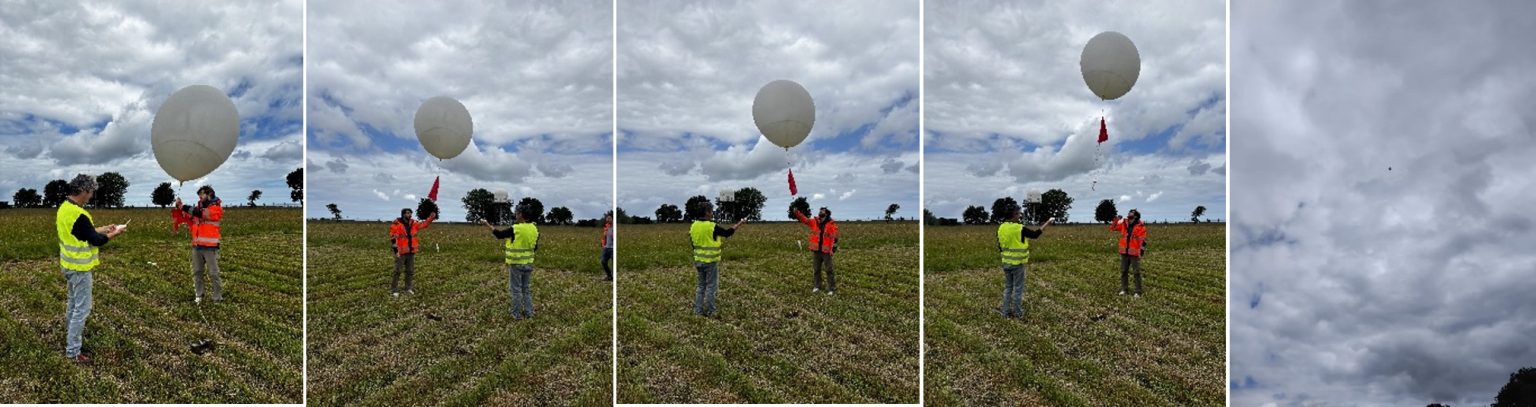
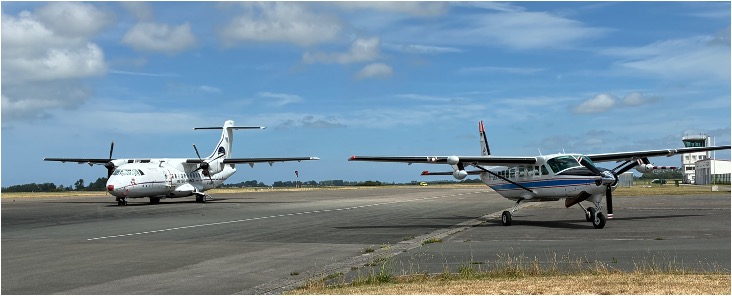
MAGIC-AVALON is based on a multi-platform observation strategy combining ground-based measurements, atmospheric soundings and airborne observations in order to document the state of the atmosphere during satellite flyovers. The campaign involves three complementary research aircraft: SAFIRE’s ATR-42, a veritable flying laboratory equipped for in situ measurements and atmospheric remote sensing; the DLR’s (Germany) Cessna Caravan, fitted with highly sensitive instruments for measuring greenhouse gases; and a Tecnam P2012 operated by Switzerland. On the ground, six instrumented sites (ATOLL, BEAM, Aire-sur-l’Adour, Lannion, Reims and SIRTA) are deploying FTIR spectrometers covering different spectral ranges, cloud and aerosol lidars, as well as lidars dedicated to measuring CO₂, CH₄, water vapour, wind and temperature. The campaign also draws on a network of 130 sounding balloon launches carrying the LMD’s AirCore systems, enabling high-resolution, high-precision vertical profiles of greenhouse gases to be obtained. This unique combination of in situ measurements, active and passive remote sensing, and atmospheric profiles provides a particularly rich set of reference data for validating the MicroCarb, MTG-S and Metop-SG-A1/IASI-NG satellite missions, as well as for improving methods for estimating anthropogenic emissions of CO₂, CH₄ and other compounds.
AERIS’s support for this campaign
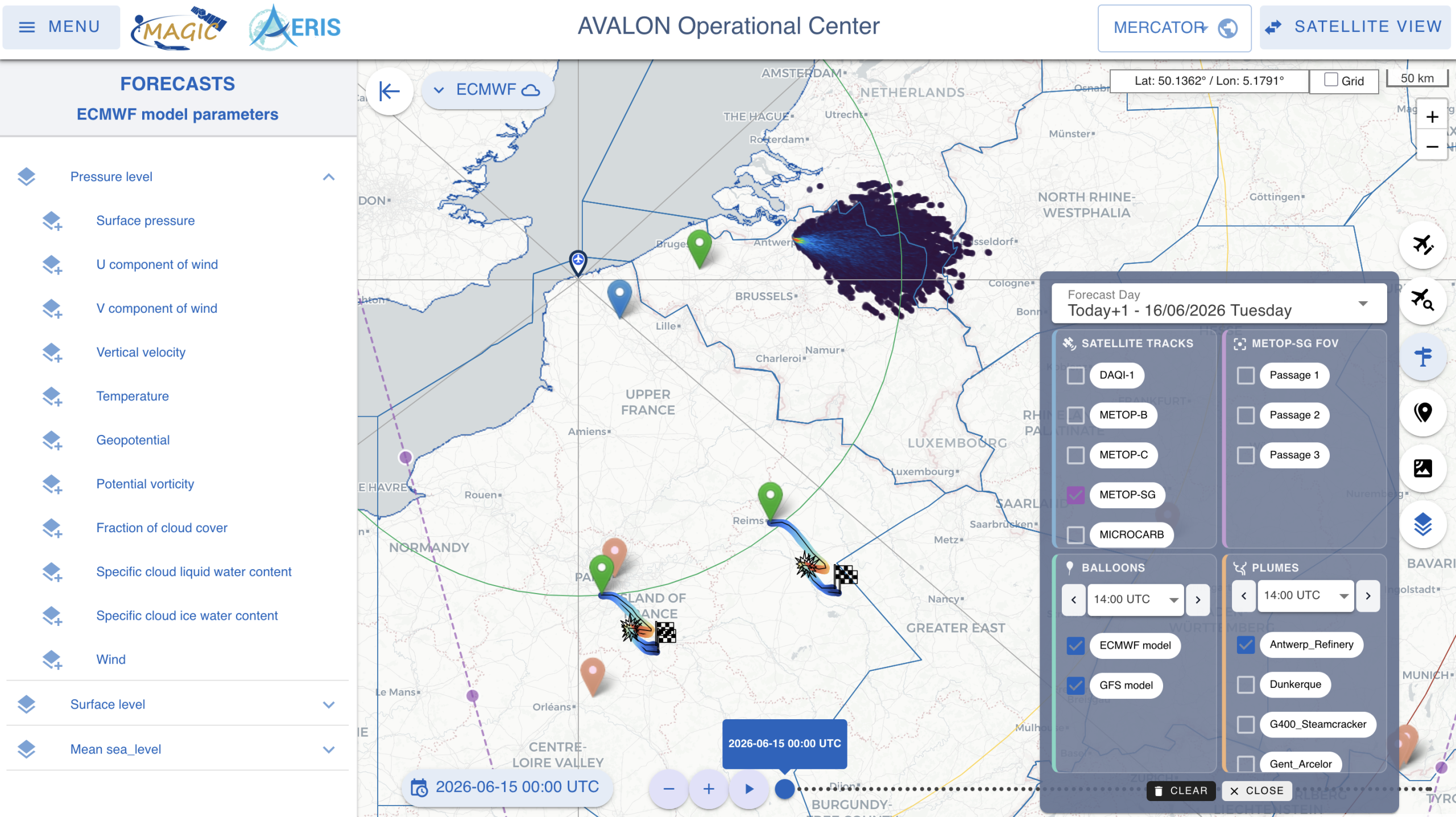
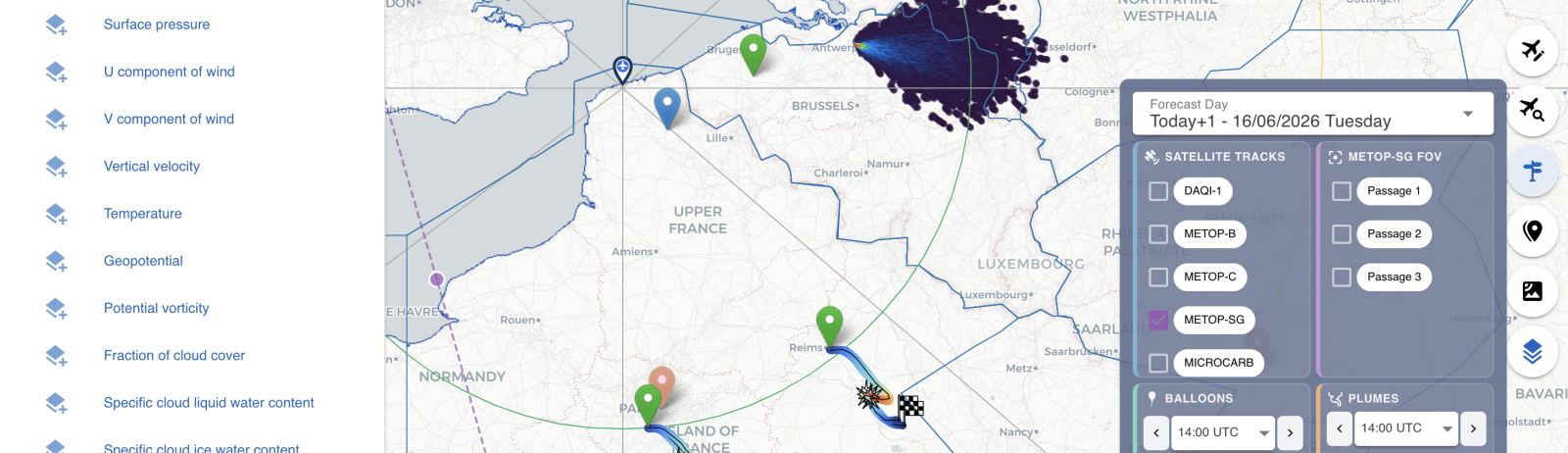
The MAGIC-AVALON campaign benefits from AERIS’s campaign support service. The teams at the AERIS/ESPRI Data Centre have rallied to provide the best possible support to the campaign’s scientists and have therefore developed the campaign’s operational website. Specific developments include:
- Plume simulation tool
- preview of balloon trajectories in two models (GFS and ECMWF)
- Field of view of the METOP-SG satellite
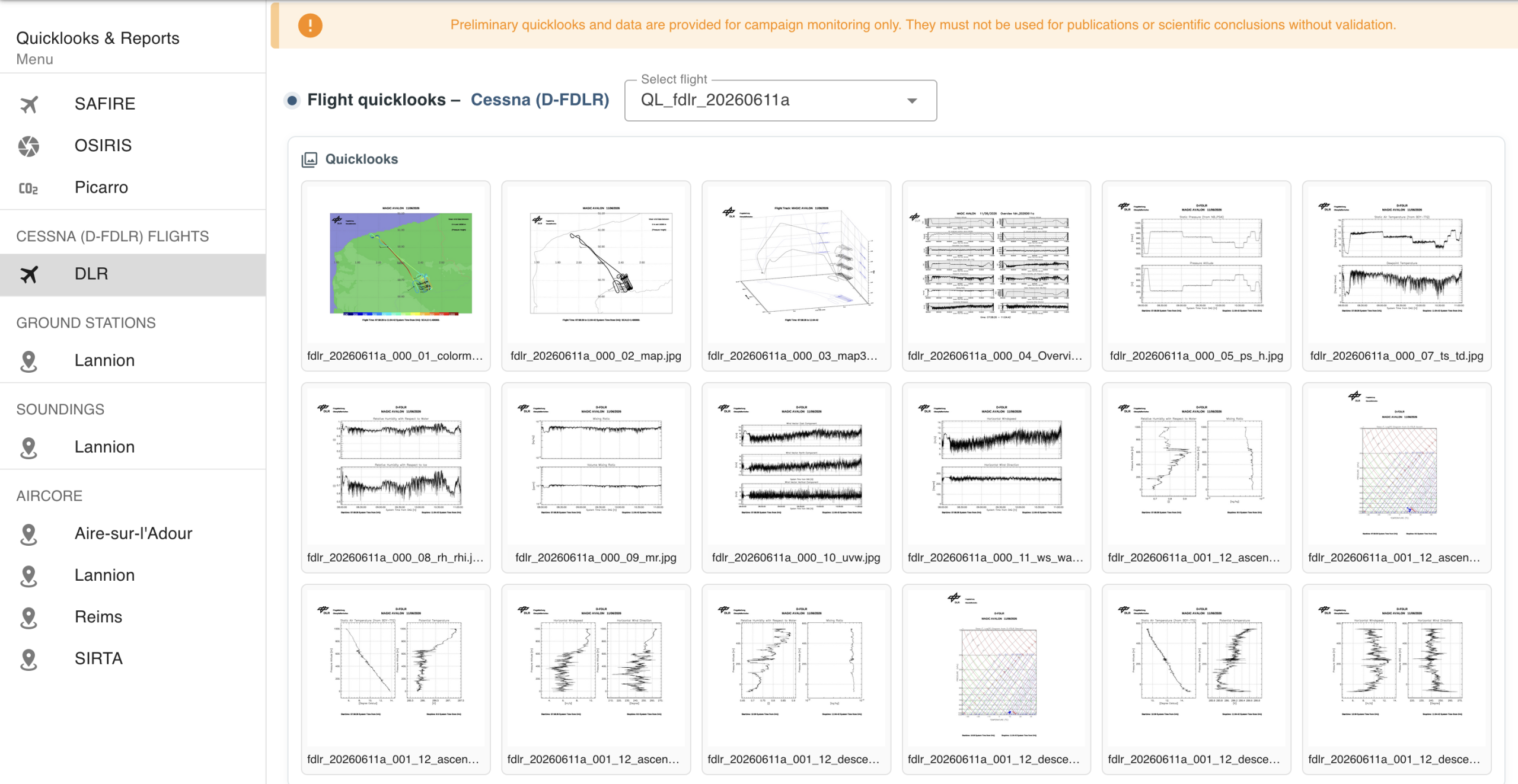
In addition to these three campaign-specific tools, the scientists were also able to benefit from all of AERIS’s standard tools for supporting measurement campaigns: satellite trajectory forecasting, provision of ECMWF weather forecast models, AROME and ARPEGE, with the option to generate cross-sections within these models, the ability to replay past flights in 3D (via the ‘Flight Explorer’ interface), real-time aircraft positioning on the web interface (ATR, HALO, Cessna) and the provision of quick-looks of measurements after each flight.
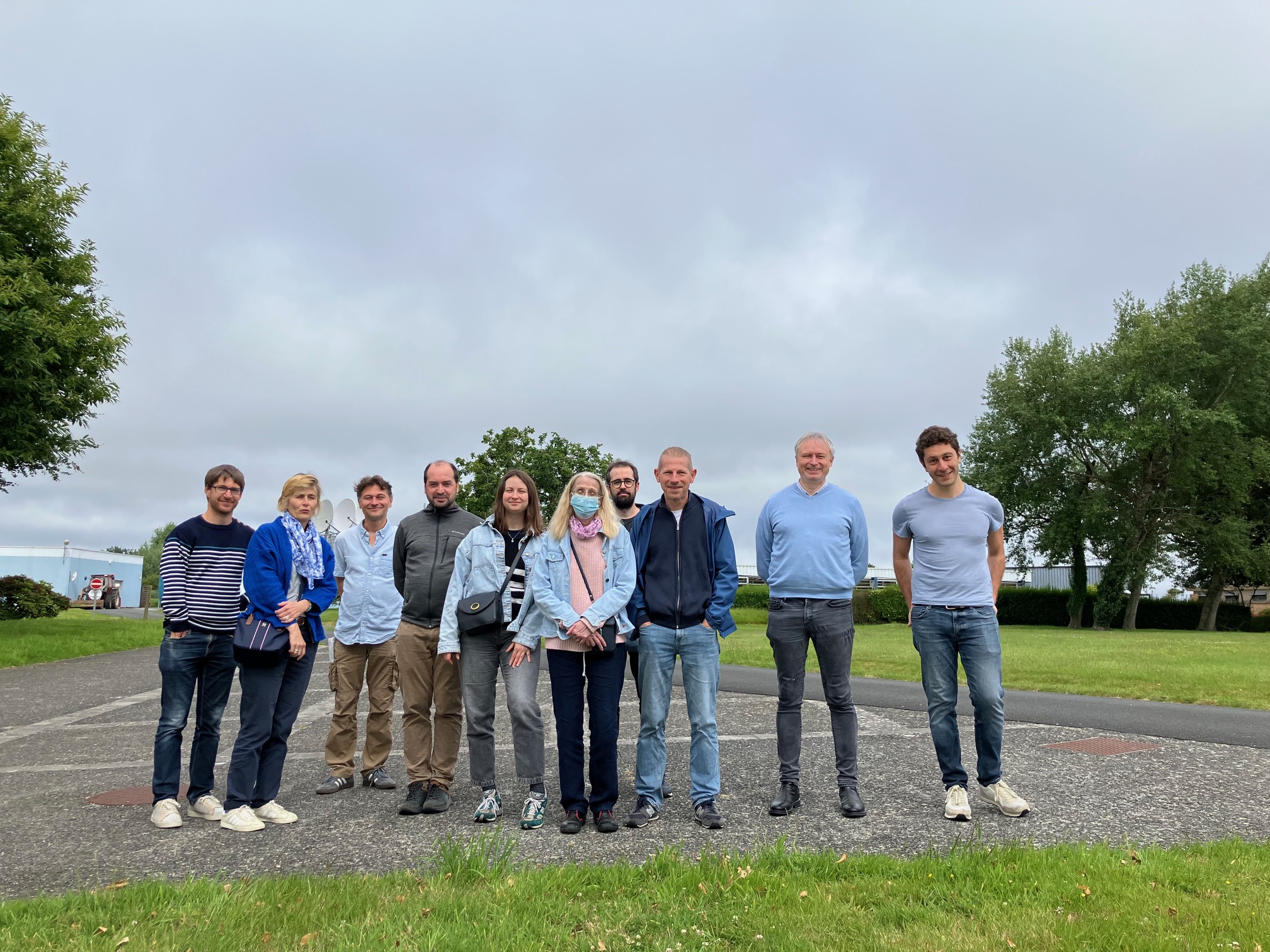
The AERIS teams will also provide support after the campaign to manage the data and make it available in the campaign catalogue and the AERIS catalogue.