Tawhiri: the new API for predicting the trajectories of light dirigible balloons
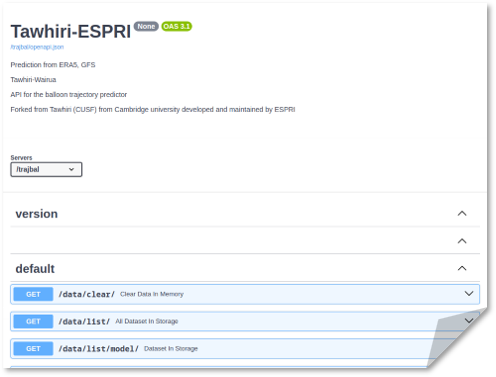
The AERIS/ESPRI data centre has developed an API for predicting the trajectories of light dirigible balloons, thanks to the work of Samy Amarouche as part of his B.U.T.3 internship.
The project is derived from the CUSF trajectory predictor (https://predict.sondehub.org/ Cambridge University, J. Sowman, A. Greig and D. Richman).
Leaflet mapping and development of Tawhiri API by Mark Jessop
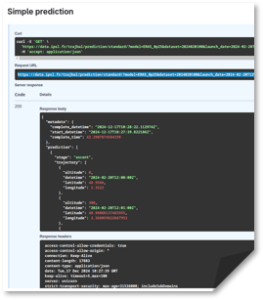
The API is written in Python in a FastAPI framework.
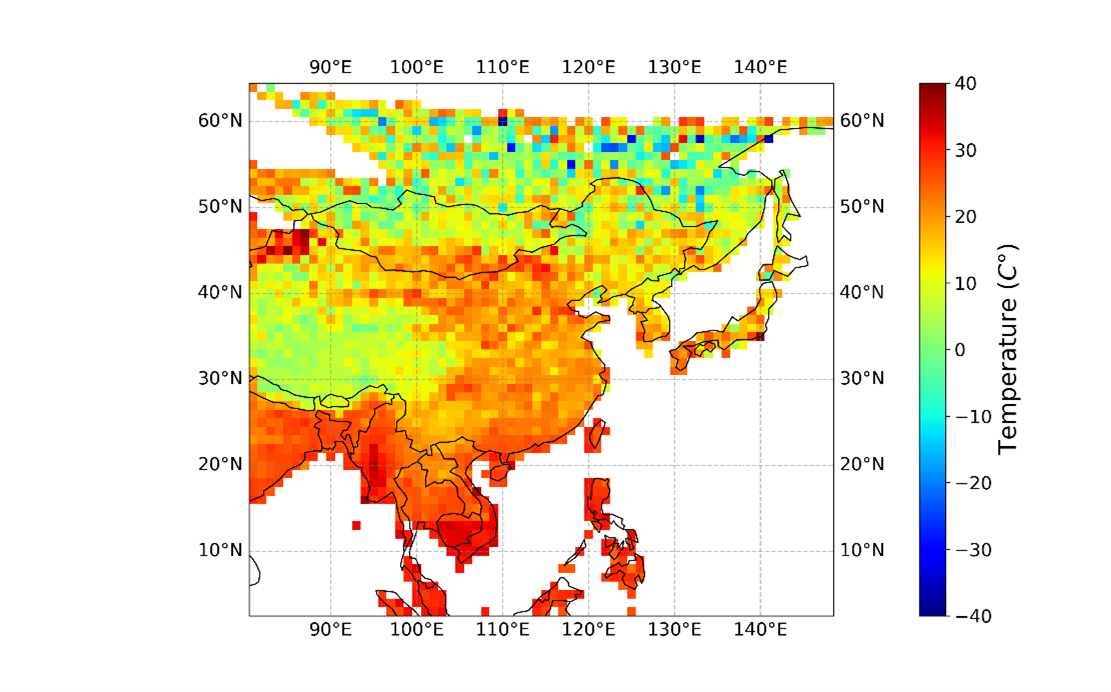
The main advantage of this version of the predictor is the ability to use ECMWF forecasts or reanalyses such as ERA5. It can also be opened up to other models.
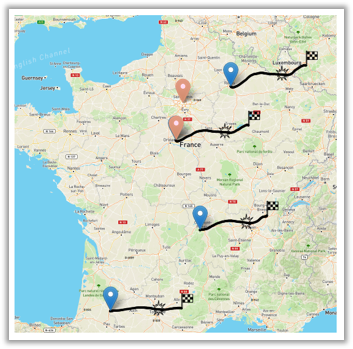
This tool will be useful for studying trajectory trends at potential balloon release sites, particularly in the context of AIRCORE surveys, and will be integrated into the future MAGIC 2026 campaign. Finally, this API can be interrogated for your balloon applications;
Don’t hesitate to contact us if you’re interested! Contact: jtrules@ipsl.fr